
Build bridges. Beat the clock.
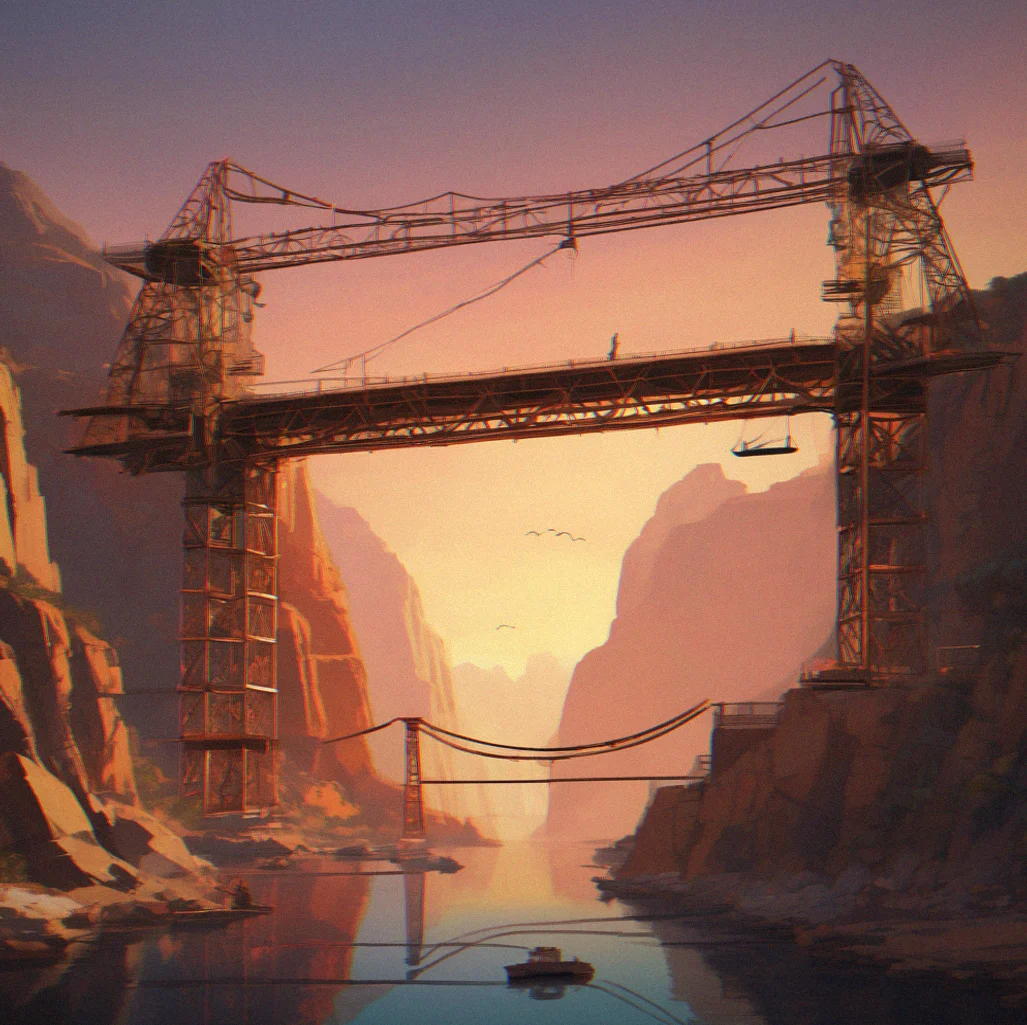
Puzzle-strategy under pressure. Unlock new tools. Solve terrain that doesn't cooperate.
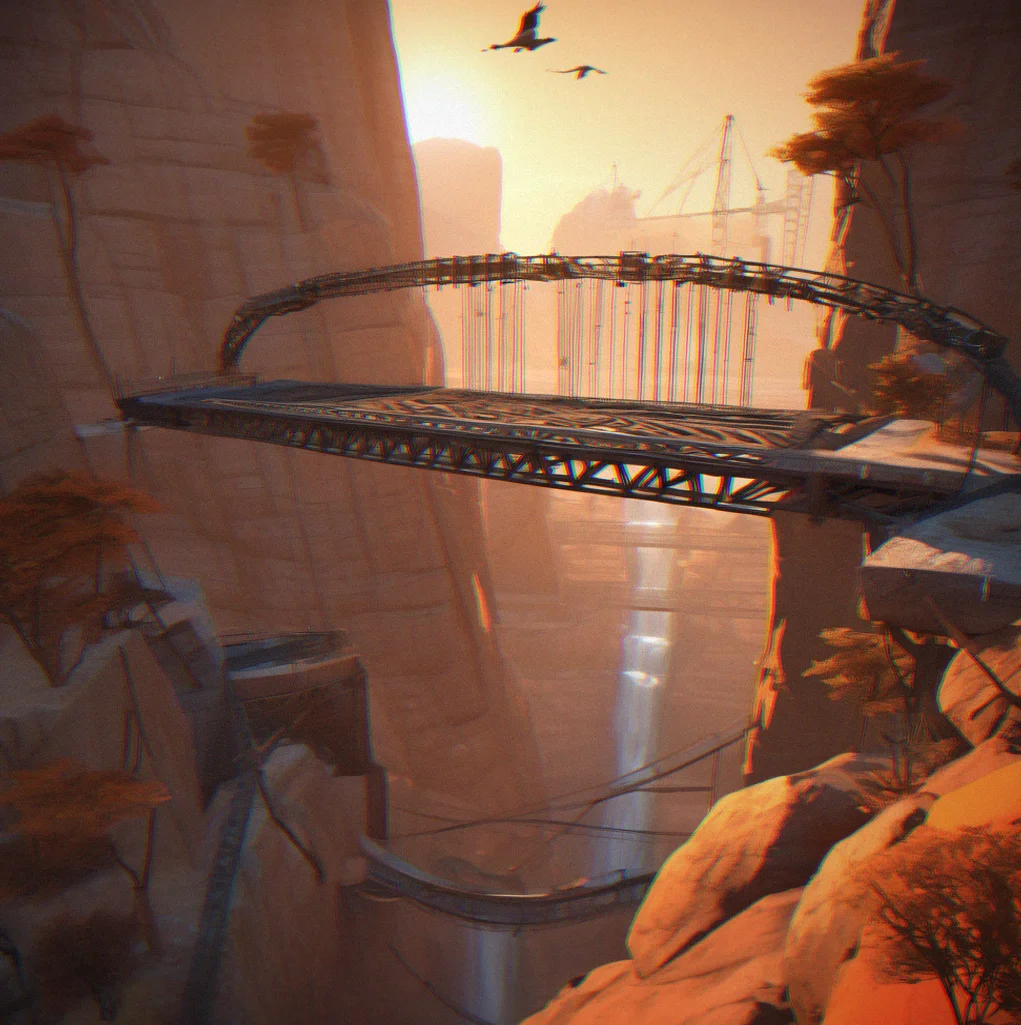
You get a few seconds to sketch a route across collapsing ground, moving water, platforms that give way. Your first runs are about learning the basics—steel beams, simple angles. After a handful of attempts you unlock suspension cables. Suddenly the whole game shifts. Every level plays differently now. Then reinforced supports open up. The game isn't going to coddle you. It hands you new equipment and watches you figure out what to do with it. [You'll know this rhythm if you've played Into the Breach or Factorio.] Every unlock changes how you approach things. Each terrain type—chasms, shifting rock, live obstacles—makes you plan ahead while the timer's running. You're never done learning. It's the kind of satisfaction that comes from solving the same map five different ways.
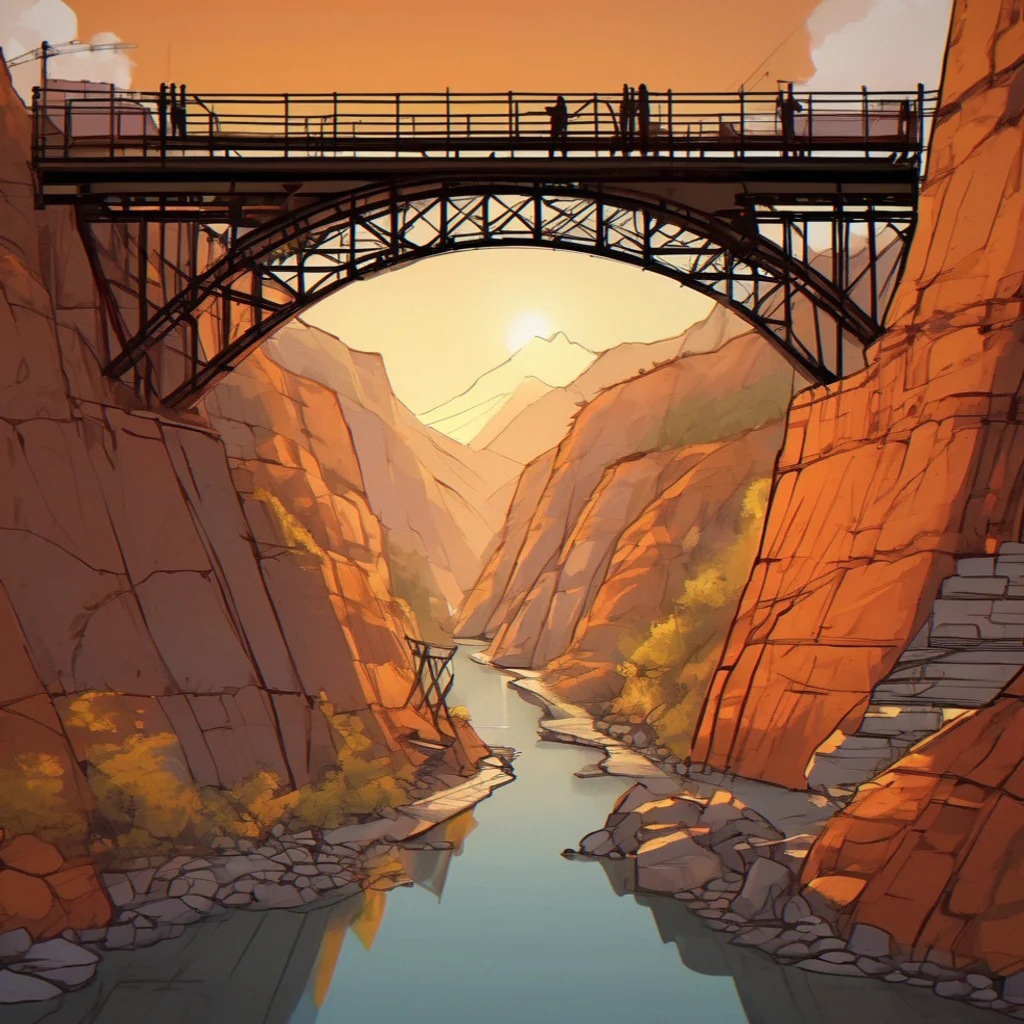
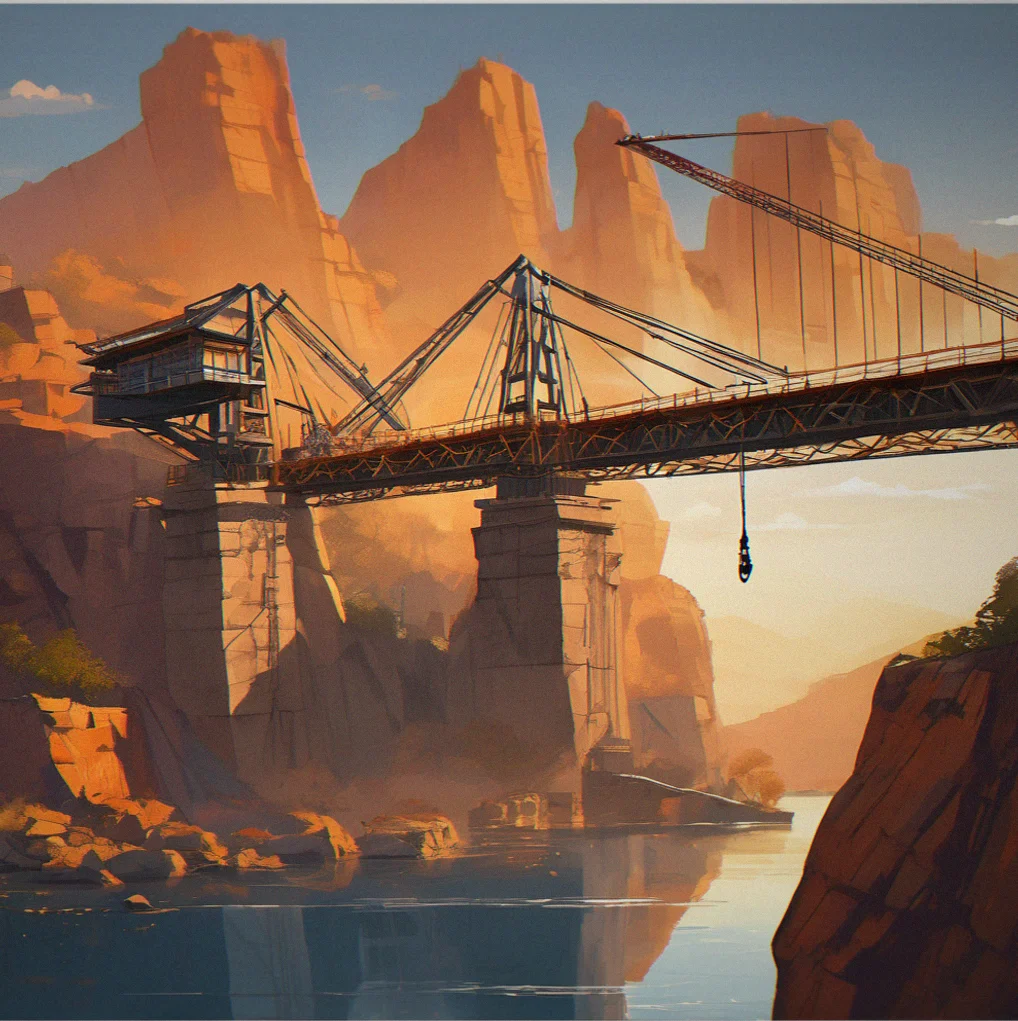
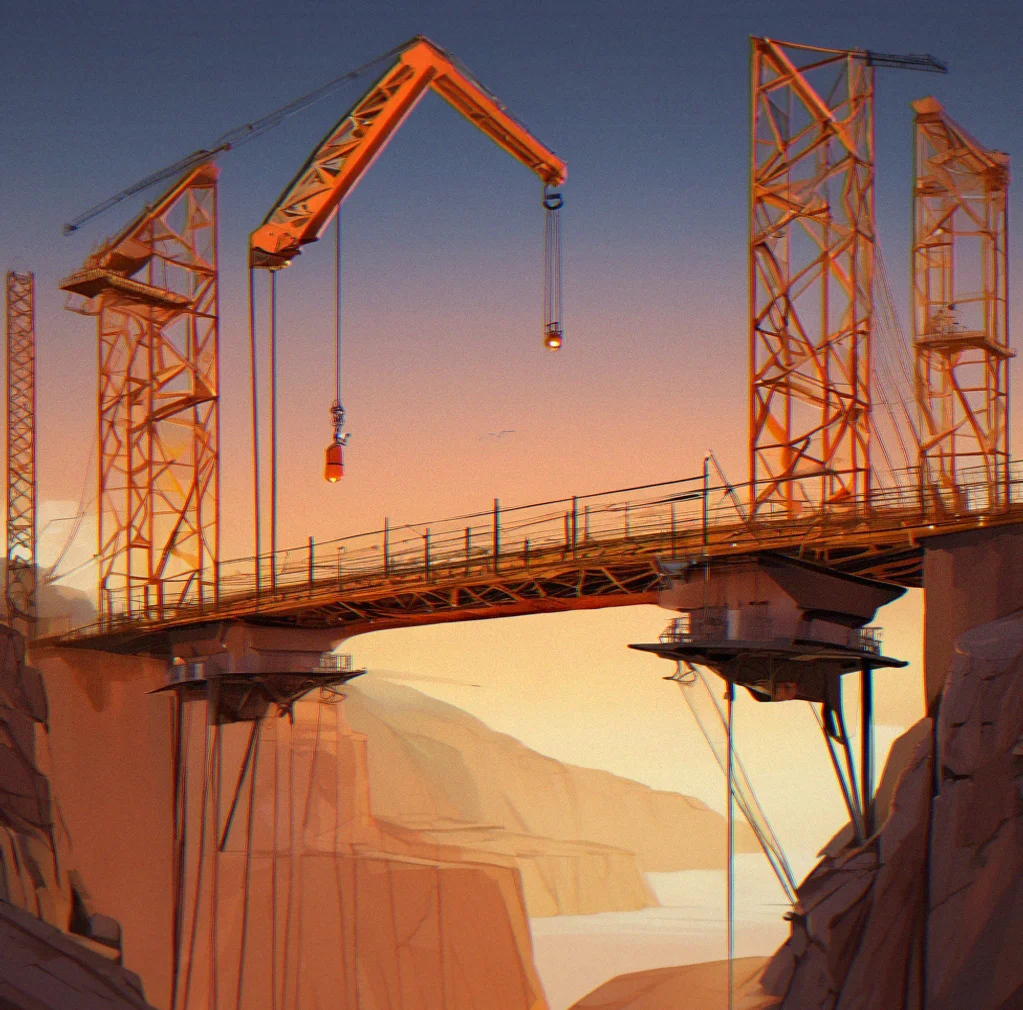
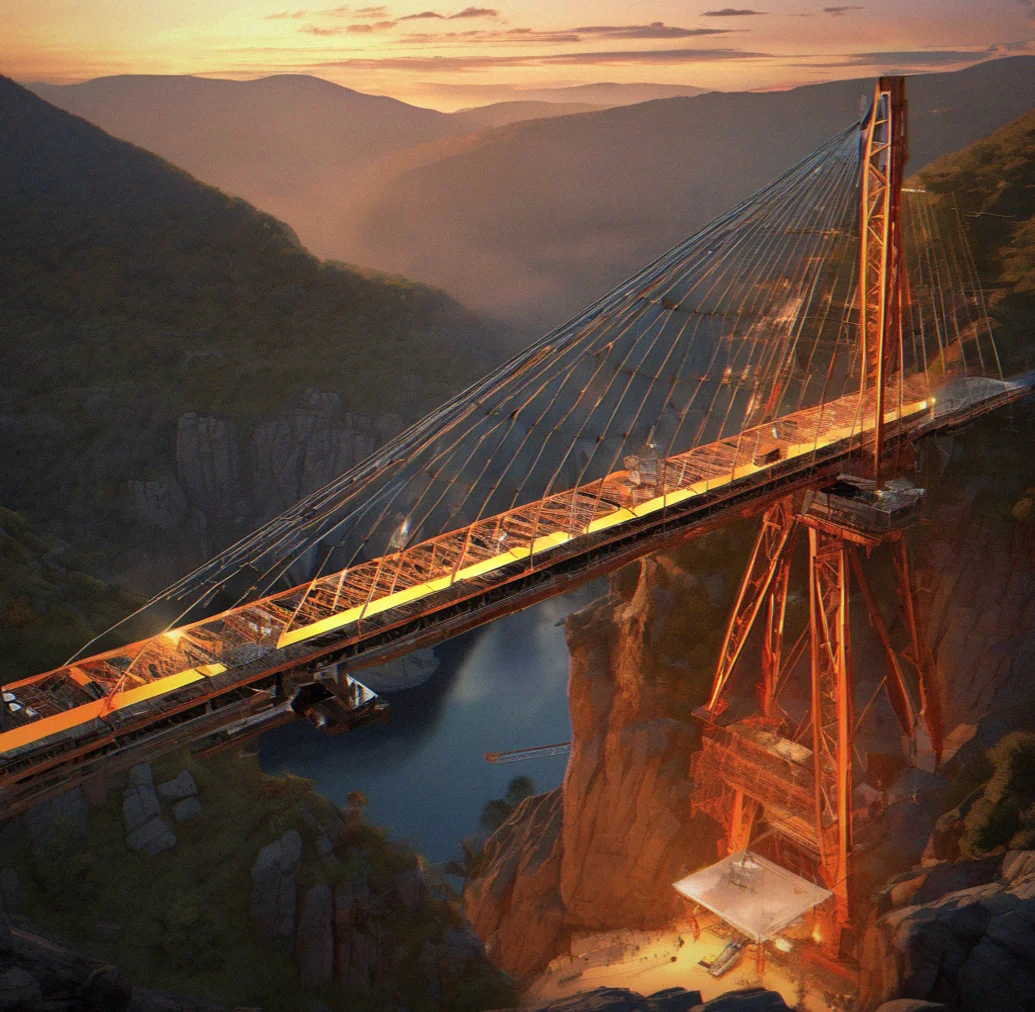
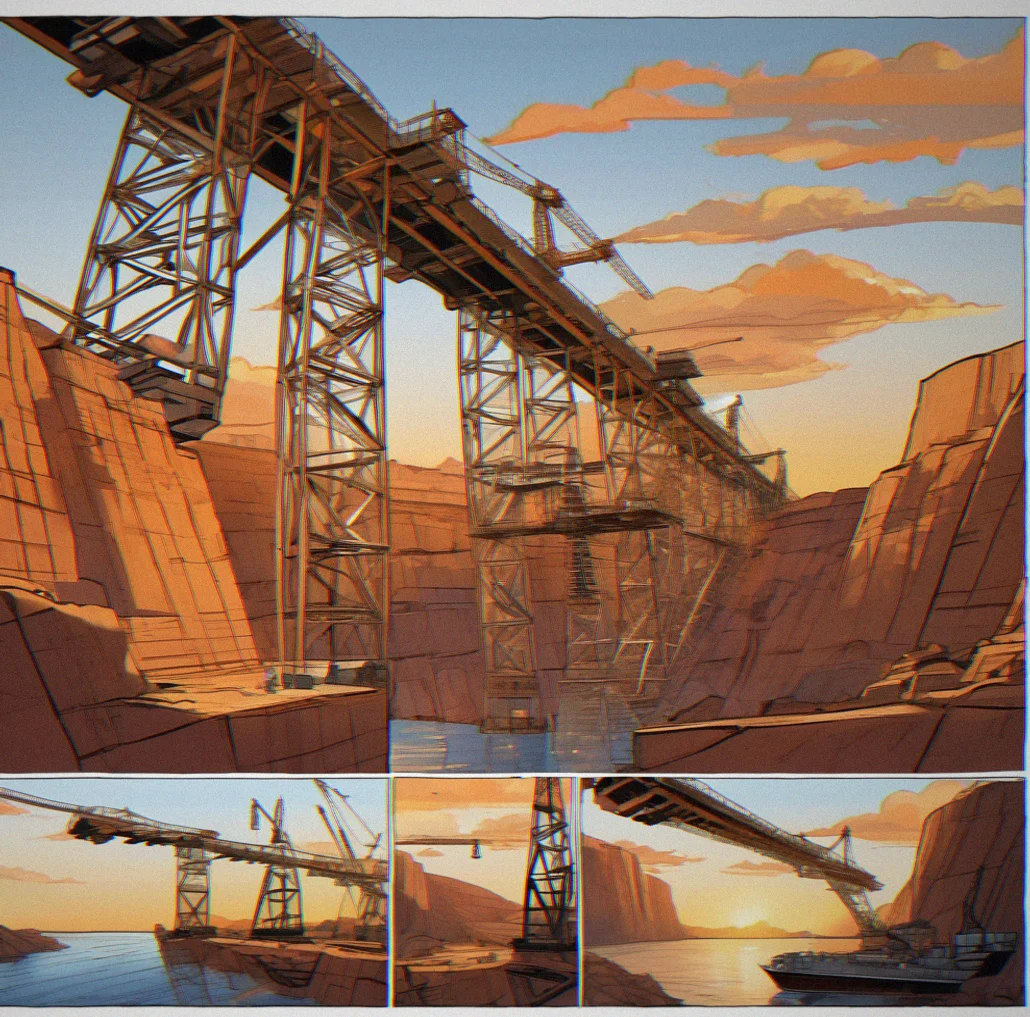
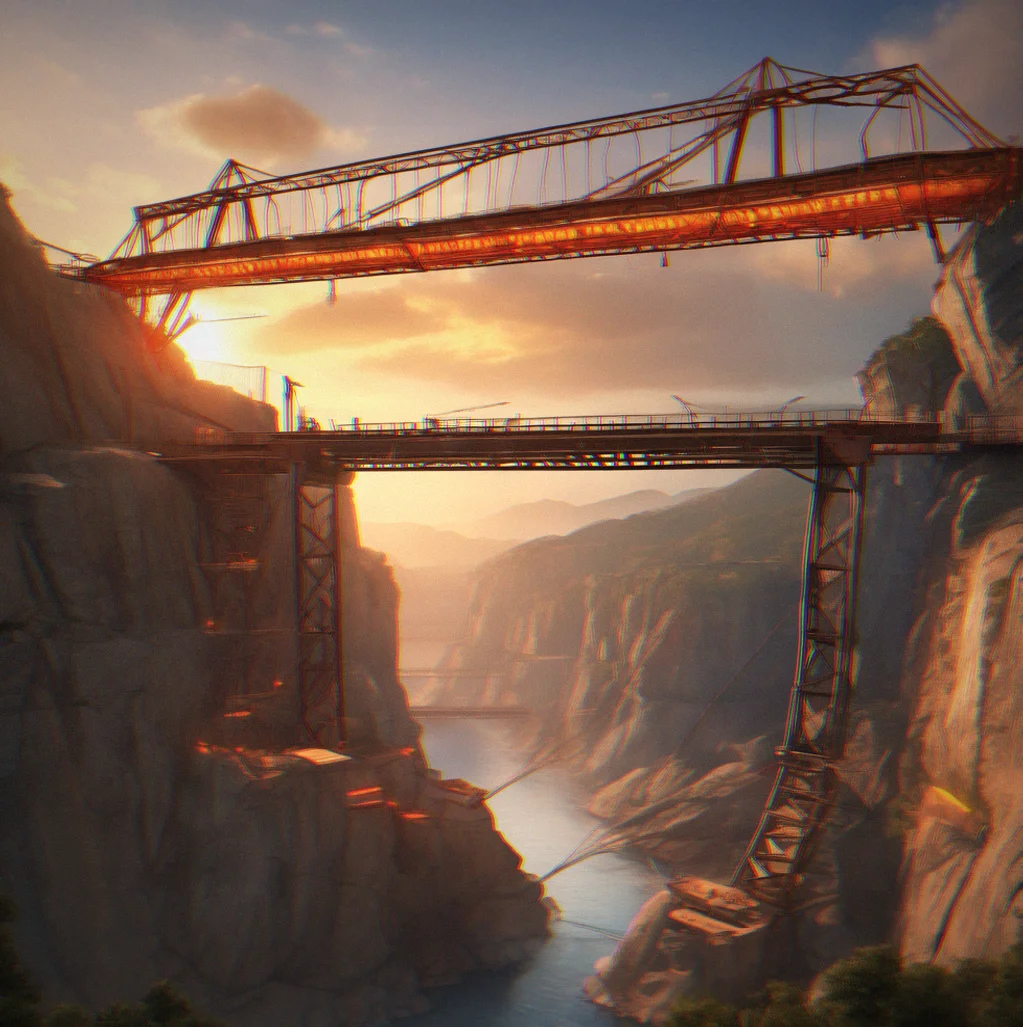
Tools unlock. Strategy shifts.
You start with steel beams and a timer that counts down twenty seconds. Span the gap or watch it collapse. Most people fail the first few attempts—you're learning angles, figuring out how much weight the structure can hold before it gives way. But keep pushing through and something clicks. Around attempt five or six, suspension cables unlock. Suddenly the whole game feels different. Those gaps you couldn't cross? You can now bridge them twice over. Maps that looked impossible have multiple ways through. You're not grinding the same puzzle anymore; you're solving it completely differently because your toolkit expanded. That's when things start to matter. Not because you memorized something—because you learned to adapt.
An unlock isn't just tacking another tool onto what you already had. Dynamic supports show up next and now you've got stress load shifting in real time while the chasm itself moves underneath you. Techniques that worked fine with basic steel will actually break things when you add this layer. No tutorial pops up. The game hands you the tool, runs the timer, and you figure it out or you don't. Most players need somewhere between 8 and 12 runs just to understand how one new unlock changes everything they thought they knew, and that struggle is kind of the whole point. Unlock something, adapt to it, get good at it, then do it again.
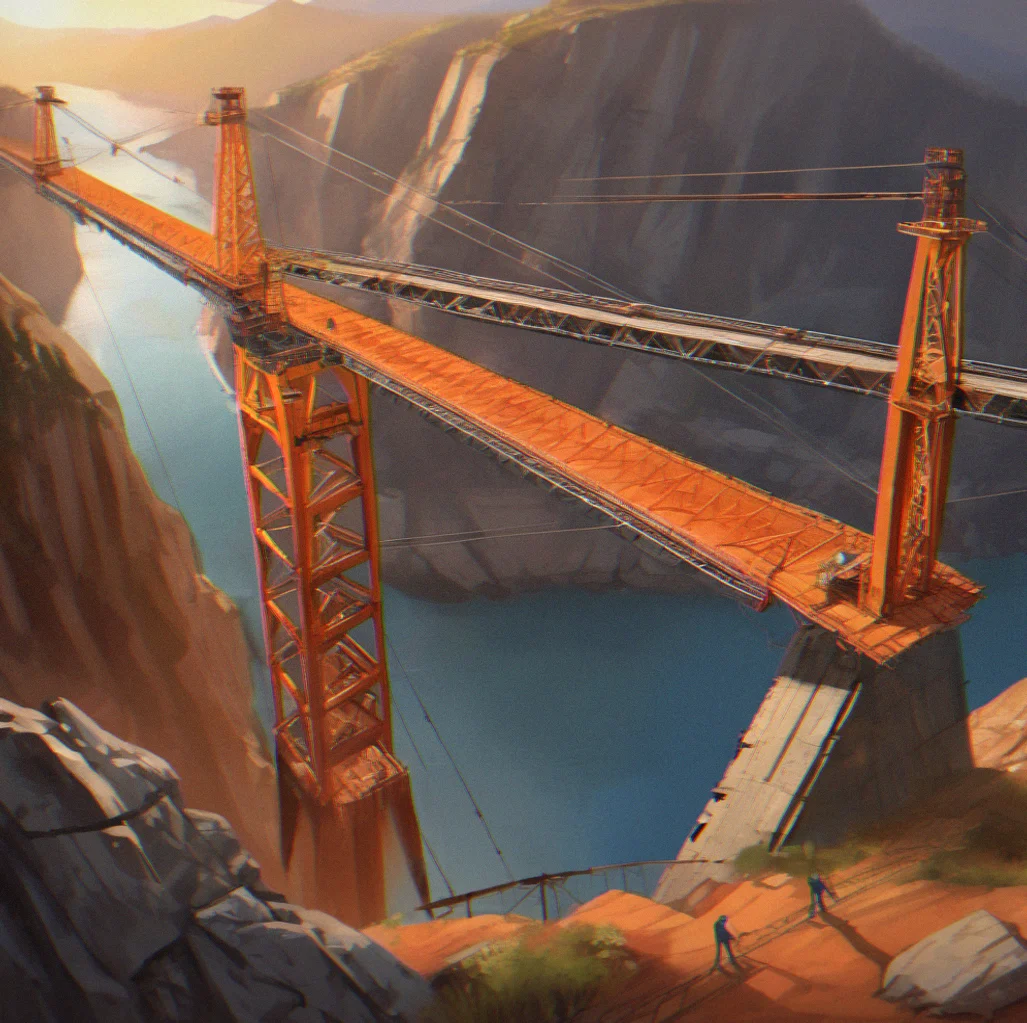
Terrain types that force you to rethink everything
Every landscape plays by its own rules. Some chasms just drop straight down forever. Others crumble while you're trying to build across them. Then there are the ones with things actually moving, so you're not just fighting time—you're fighting the ground itself.
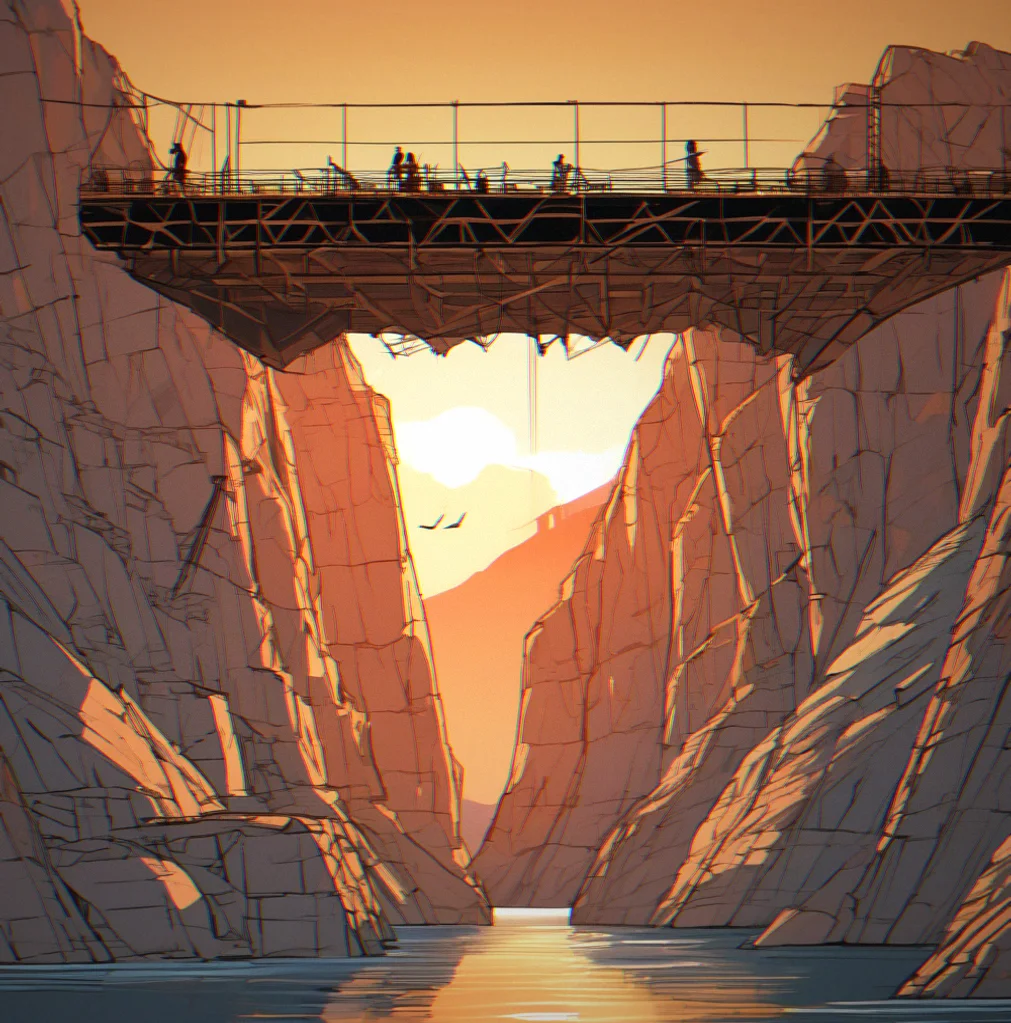
The chasm. Simple to understand. Terrifying to cross.
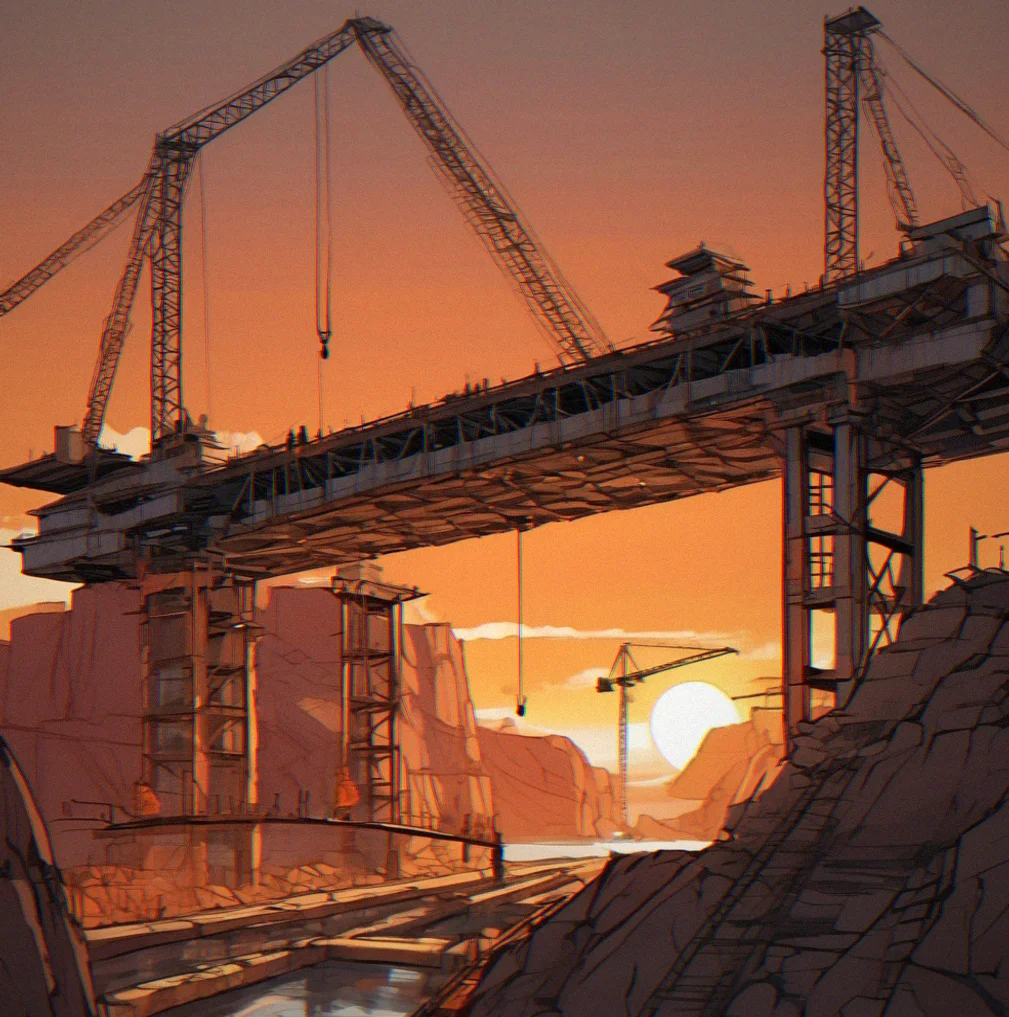
Ground shifts underneath while you work. Nothing stays where you left it. The whole thing feels alive.
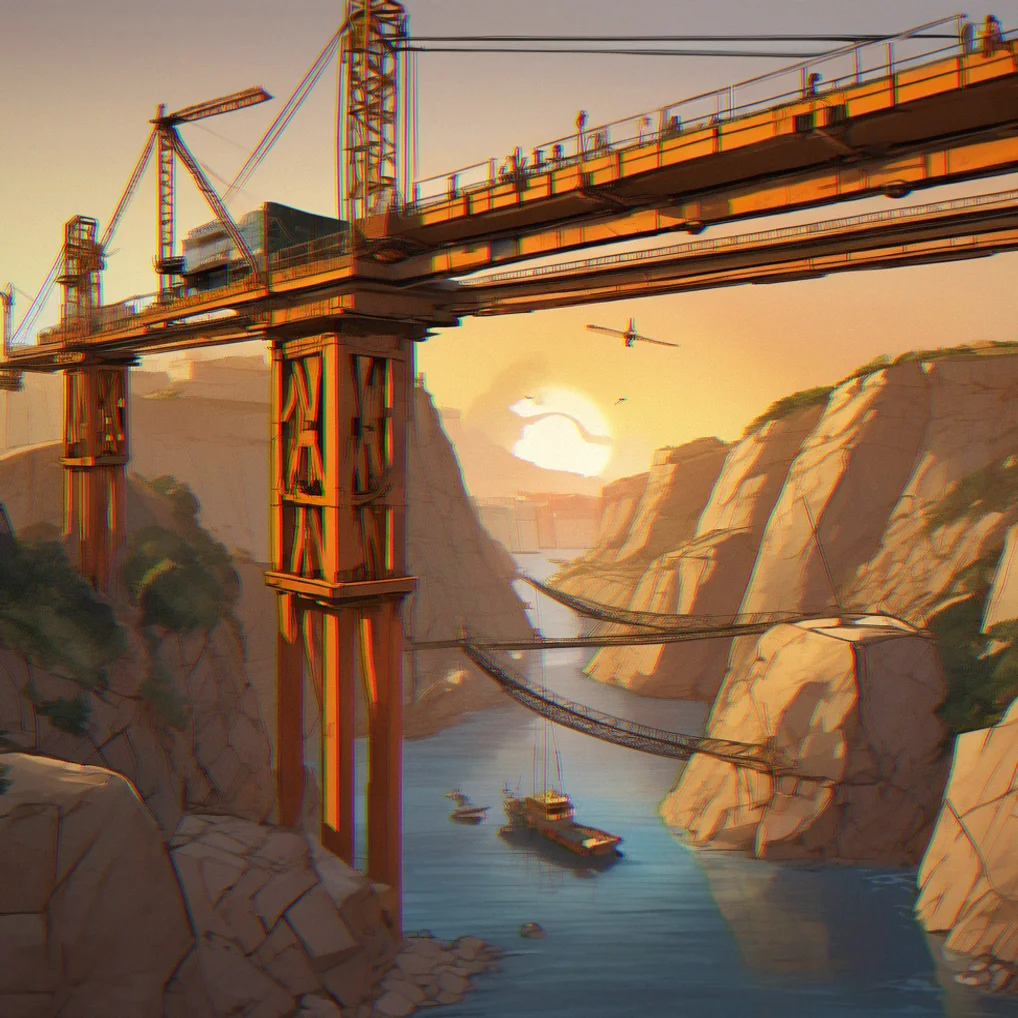
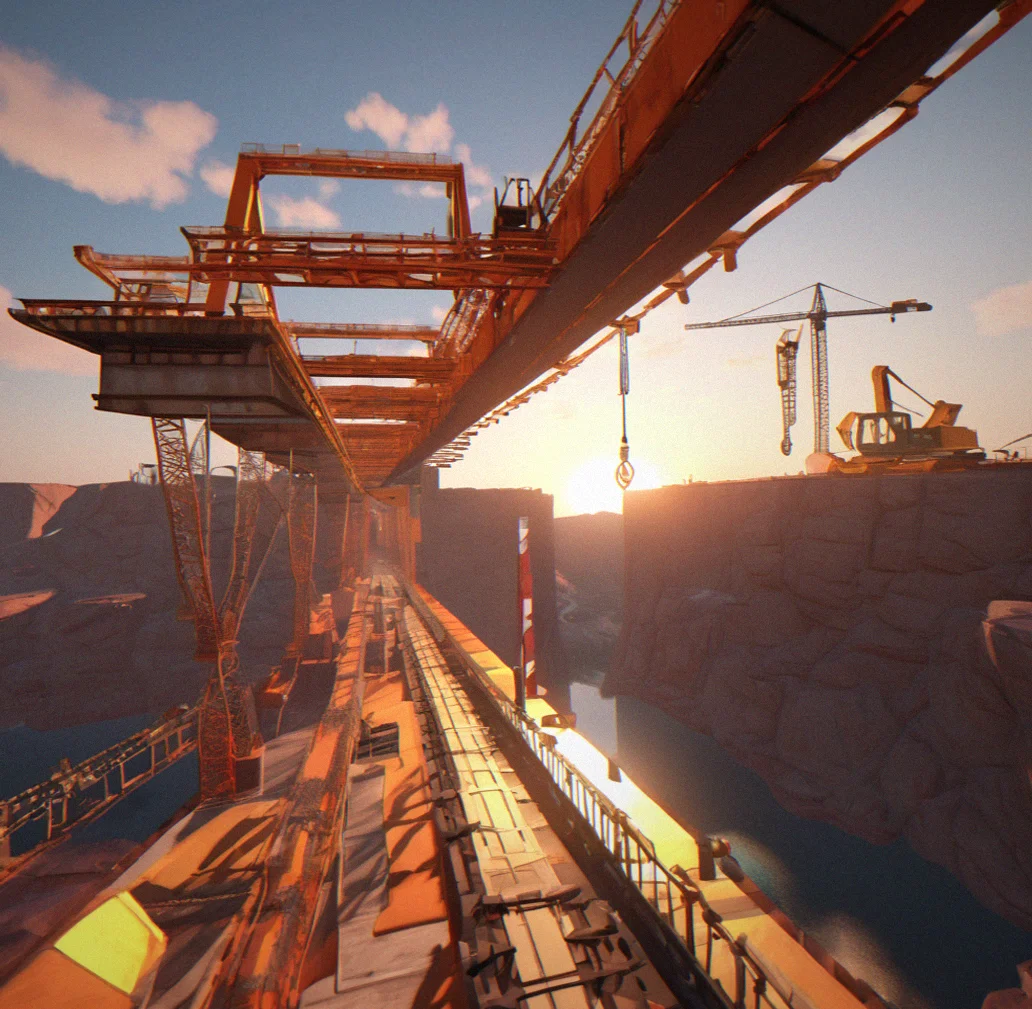
Build in half a minute. Master it in ten tries.
Maps give you somewhere between 20 and 40 seconds depending on how big they are. You draw out your route, drop supports where they matter, and then watch what happens. Either it holds or it doesn't. When things go wrong—timer hits zero or the whole thing crumbles under the weight—you just start over. No loading bars, no failure screens that make you sit through animations, just straight back to designing. The game's built around this: it doesn't think you'll get it right the first time. It knows you'll mess up, figure out what the terrain actually needs, then try something different. By the tenth attempt you've learned things the fifth one never showed you. There's always another path across.
Time-locked construction
You're building while a timer counts down in real time. Every moment spent thinking is a moment you're not placing anything. The two things push against each other in a way that forces you to commit.
Immediate feedback loops
The instant your structure can't handle the load, it fails. There's no health meter hiding what's actually happening. Physics work the way they should, so you can see exactly why something broke and what to change.
Unlock-driven strategy shift
After winning a handful of times, new materials show up. Suspension cables open up possibilities you didn't have before. Reinforced steel makes you rethink how much weight a span can actually carry.
Each unlock changes how you solve things.
Suspension cables show up after a handful of successful runs. They let you span 40 meters instead of 20. That chasm you couldn't cross early on becomes trivial later. But trivial isn't solved — the game hits you with unstable ground next and cables won't anchor into shifting earth. You need reinforced steel. So you unlock it. Now you're managing anchor stress while building under pressure. The map hasn't changed. Your toolkit has. Your entire strategy shifts because the problem shifted.
Terrain complexity scales with what you've unlocked. Early runs: flat chasms, clean geometry. Mid-game: ground crumbles in real time, water rises mid-construction. Late game: obstacles rotate on 8-second cycles, and you're timing your bridge completion around moving pillars. The game doesn't get easier. Your tools get sharper. You learn that dynamic supports aren't just another material — they're a completely different way to think about load distribution. Some players spend dozens of runs on a single map once they unlock the third material tier. That's not grinding. That's mastery.
Unlock progression tree showing suspension cables, reinforced steel, and dynamic supports in sequence with run count requirements and affected terrain types
Questions
Ask before you build
Real questions from players who've already started. No marketing speak, just answers about how the game actually works and what to expect.
Somewhere between 20 and 60 seconds depending on the terrain and how fast you can place things. Early maps are pretty quick—most people finish in around 25 seconds. But once you're dealing with late-game stuff like moving obstacles you might stretch closer to a minute if you're thinking through every decision. Most runs end up being under 40 seconds though.
Kind of. There are 12 base maps but they don't play the same way twice. The moment you unlock suspension cables that chasm you've run a dozen times suddenly requires a completely different approach. Some people will run the same map 15+ times just because their new tools open up fresh possibilities.
The run ends and you're back at map select. No punishment, no setback—you just jump back into that level. Here's the thing though: failed runs still count toward your unlock progression. You need around 5 to 7 successful completions to unlock the next tool tier, so failure actually helps you move forward.
It's kind of its own thing. You get the unlock progression that roguelikes do and the time-pressure intensity of real-time tactics but the actual core is construction puzzle-solving. No enemies, no card management—just you building under a clock while the landscape shifts around you.
The timer keeps running. Step away and your run's over. It's built for short sharp sessions, not for taking your time and thinking things through. Lose focus for more than 10 seconds and you're probably done.
You unlock new tools once you hit a certain number of successful runs total. Doesn't matter which maps you win on—7 total completions and suspension cables unlock automatically. Differwnt tools have different thresholds.
No. The timer is what makes it a puzzle. Without it you could just fiddle with your structure until it works and there's no actual challenge. If you need time to think this one's probably not going to click for you.
Every unlock changes how you solve maps. Suspension cables let you span further. Reinforced steel anchors in new ways. Dynamic supports add load mechanics that don't exist with basic materials. It's not just a skin—your whole approach has to shift.